
 English
数控机床切削液
CNC Machine Tool Cutting Fluid: Functions, Types, and Selection Guidelines Cutting fluids play a critical role in CNC (Computer Numerical Control) machining by enhancing tool life, improving surface finish, and optimizing machining efficiency. These fluids are applied during metal cutting operations to reduce friction, dissipate heat, and remove chips, ensuring precision and productivity in manufacturing processes. Functions of Cutting Fluids 1. Cooling: Machining generates significant heat due to friction between the tool and workpiece. Cutting fluids absorb and dissipate this heat, preventing thermal deformation of the tool and workpiece. 2. Lubrication: By reducing friction, cutting fluids minimize tool wear and lower energy consumption, extending tool life and maintaining dimensional accuracy. 3. Chip Removal: Fluids flush away metal chips from the cutting zone, preventing chip buildup that could damage the workpiece or tool. 4. Corrosion Protection: Some fluids contain anti-rust additives to protect machined surfaces and machine components from oxidation. 5. Surface Finish Improvement: Effective lubrication and cooling contribute to smoother surface finishes by reducing tool marks and burrs. Types of Cutting Fluids 1. Water-Based Fluids (Emulsions & Solutions): - Emulsions (oil-in-water mixtures) offer good cooling and moderate lubrication, suitable for high-speed machining. - Solutions (synthetic fluids) are chemical-based, providing excellent cooling and rust prevention but lower lubricity. 2. Straight Oils (Neat Oils): - Mineral or vegetable oils with additives for extreme-pressure (EP) applications. They excel in lubrication but have poor cooling properties, making them ideal for low-speed, high-load operations. 3. Semi-Synthetic Fluids: - A blend of synthetic and oil-based fluids, balancing cooling and lubrication for versatile machining applications. 4. Gaseous Fluids (MQL – Minimum Quantity Lubrication): - Delivers a fine mist of lubricant, reducing fluid usage while maintaining performance. Eco-friendly and cost-effective for certain operations. Selection Criteria Choosing the right cutting fluid depends on: - Material Being Machined: Hard metals (e.g., titanium) require high-lubricity fluids, while softer materials may need cooling-focused fluids. - Machining Process: High-speed operations benefit from water-based fluids, whereas heavy-duty cutting may need EP oils. - Environmental & Health Factors: Low-toxicity, biodegradable fluids are preferred to minimize operator exposure and waste disposal issues. - Machine Compatibility: Some fluids may degrade seals or cause residue buildup, requiring compatibility checks. Maintenance & Best Practices - Regularly monitor fluid concentration, pH levels, and contamination to ensure effectiveness. - Use filtration systems to remove metal particles and extend fluid life. - Proper disposal is essential to comply with environmental regulations. Conclusion Cutting fluids are indispensable in CNC machining, directly impacting tool performance, workpiece quality, and operational costs. Selecting the appropriate type and maintaining it properly ensures efficient, sustainable, and high-precision manufacturing. Advances in fluid technology, such as nano-enhanced and eco-friendly formulations, continue to push the boundaries of machining efficiency.
产品
分类:
-
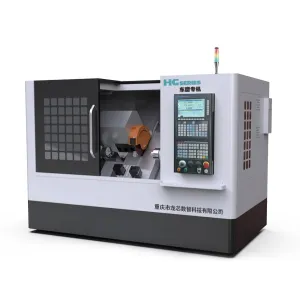
专用车床和磨床
所属分类: 行业专用机床浏览次数: 7编号:发布时间: 2025-12-11 14:35:15专用车磨床是用于加工各种金属、塑料等材料的机械设备,具有以下特点:1、数控车床的主要结构由床身、主轴箱、进给箱、刀架、尾座等组成。2、主轴可以连续旋转,使材料在其上旋转,而刀具则沿材料表面进行切削。3、送料箱可控制物料运动的速度和方向,实现不同形状、尺寸的加工。4、材料加工精度高,可达到微米级精度,适合制造精密零部件。5、数控机床切削液可以加工多种类型的材料,包括金属、塑料等。6、专用车削、磨削机床还可进行螺纹加工、车削、镗孔、锥度加工等各种作业。7、专用车床、磨床,适合大批量生产,并可自动控制,提高生产效率。8、刀架、尾座可沿床身移动,工件长度不受限制。制造业严重依赖先进的机床来实现生产过程的高精度...
新闻
分类:
-
[Company News]定期检查和维护专用车床和磨床
2025-12-12 15:54:06
案例
分类:
暂无搜索结果!
视频
分类:
暂无搜索结果!
下载
分类:
暂无搜索结果!
招聘
分类:
暂无搜索结果!
推荐产品
暂无搜索结果!



 电话
电话