
 English
自动化控制模块
Automation Control Module: A Comprehensive Overview An automation control module is a critical component in modern industrial and manufacturing systems, designed to streamline processes, enhance efficiency, and reduce human intervention. It serves as the brain of automated systems, integrating hardware and software to monitor, control, and optimize operations across various applications, from production lines to smart buildings. Key Components and Functionality 1. Microcontroller/PLC (Programmable Logic Controller): The core of the module, responsible for executing control algorithms and processing input/output signals. PLCs are widely used due to their reliability and adaptability in harsh environments. 2. Sensors and Actuators: Sensors collect real-time data (e.g., temperature, pressure, motion), while actuators execute commands (e.g., motors, valves). The module processes sensor inputs to trigger precise actuator responses. 3. Communication Interfaces: Modules often support protocols like Modbus, Ethernet/IP, or CAN bus to interface with other devices, enabling seamless integration into larger automation networks. 4. Human-Machine Interface (HMI): Provides operators with visualization tools (e.g., touchscreens) to monitor system status and adjust parameters. Applications - Industrial Automation: Controls robotic arms, conveyor systems, and CNC machines to ensure precision and repeatability. - Building Automation: Manages HVAC, lighting, and security systems for energy efficiency. - Process Control: Regulates variables like flow rate or chemical composition in refineries and water treatment plants. Advantages - Increased Productivity: Reduces manual labor and minimizes errors. - Scalability: Modular designs allow for easy expansion or reconfiguration. - Remote Monitoring: IoT-enabled modules enable real-time data access and predictive maintenance. Challenges - Cybersecurity Risks: Networked modules require robust encryption to prevent unauthorized access. - Complexity: Integration with legacy systems may demand specialized expertise. Future Trends Advancements in AI and edge computing are enabling smarter, self-learning modules capable of adaptive control. The rise of Industry 4.0 further emphasizes interoperability and data-driven decision-making. In summary, automation control modules are indispensable in modern engineering, driving efficiency, safety, and innovation across industries. Their continued evolution promises even greater automation capabilities in the future.
产品
分类:
-
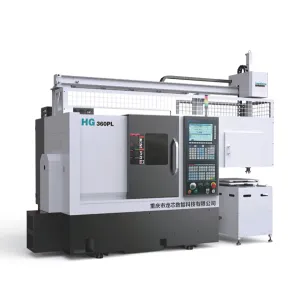
独立自动化模块
所属分类: 自动化系列浏览次数: 10编号:发布时间: 2025-12-11 14:35:54独立自动化模块是指由多个独立模块组成的自动化系统。每个模块都有特定的功能和任务,可以根据需要进行组合和配置。此类设备通常包含机械、电气、电子和软件等多种技术,可实现高度自动化的生产过程。1、提高生产效率:独立的自动化模块可实现高速、连续、精准生产,大大提高生产效率。与传统的手工操作相比,它可以更快地完成任务并缩短生产周期。2、降低人工成本:独立的自动化模块可以替代部分人工,降低人工成本。它可以24小时连续运行,无需休息,不会出现疲劳或错误。3、提高产品质量和一致性:自动化控制模块可以精确控制生产过程,减少人为干扰,提高产品质量和一致性。可以保证产品在尺寸、外观、功能等方面的稳定性。4、灵活可扩展:独...
新闻
分类:
-
[Industry News]独立自动化模块难以实现特殊工艺要求
2025-12-13 11:21:19
案例
分类:
暂无搜索结果!
视频
分类:
暂无搜索结果!
下载
分类:
暂无搜索结果!
招聘
分类:
暂无搜索结果!
推荐产品
暂无搜索结果!



 电话
电话